
Beverage sterilization equipment: Ensuring food safety and protecting consumer health.
Release Date:
2023-08-01
In the beverage production process, sterilization is a crucial step. Beverage sterilization equipment is the key machinery that enables this process, primarily serving to eliminate various microorganisms in beverages and thereby ensuring product quality and safety. This article will explore the operating principles, classifications, selection criteria, and maintenance of beverage sterilization equipment, helping readers gain a deeper understanding of this essential technology. I. Operating Principles There are two main operating principles for beverage sterilization equipment: heat treatment and ultraviolet (UV) irradiation. Heat treatment involves raising the beverage’s temperature to a level that renders microorganisms non‑viable, achieving sterilization. UV irradiation, on the other hand, uses ultraviolet light to disrupt microbial DNA, preventing reproduction. Each method has its own advantages and disadvantages, and the choice should be based on specific application requirements. II. Classification Based on their operating principles, beverage sterilization equipment can be divided into heat‑treatment systems and UV‑irradiation systems. Heat‑treatment systems further subdivide into tubular sterilizers and tank‑type sterilizers, differing mainly in their heating methods. UV‑irradiation systems include open‑type and closed‑type units; the latter is better suited for small‑batch, high‑specification production environments. III. Equipment Selection Selecting the appropriate beverage sterilization equipment requires…

In the beverage production process, sterilization is a critically important step. Beverage sterilization equipment It is a critical piece of equipment for this stage, primarily designed to eliminate various microorganisms in beverages, thereby ensuring product quality and safety. This article will cover the operating principles, classifications, selection criteria, and maintenance of beverage sterilization equipment, helping readers gain a deeper understanding of this technology.
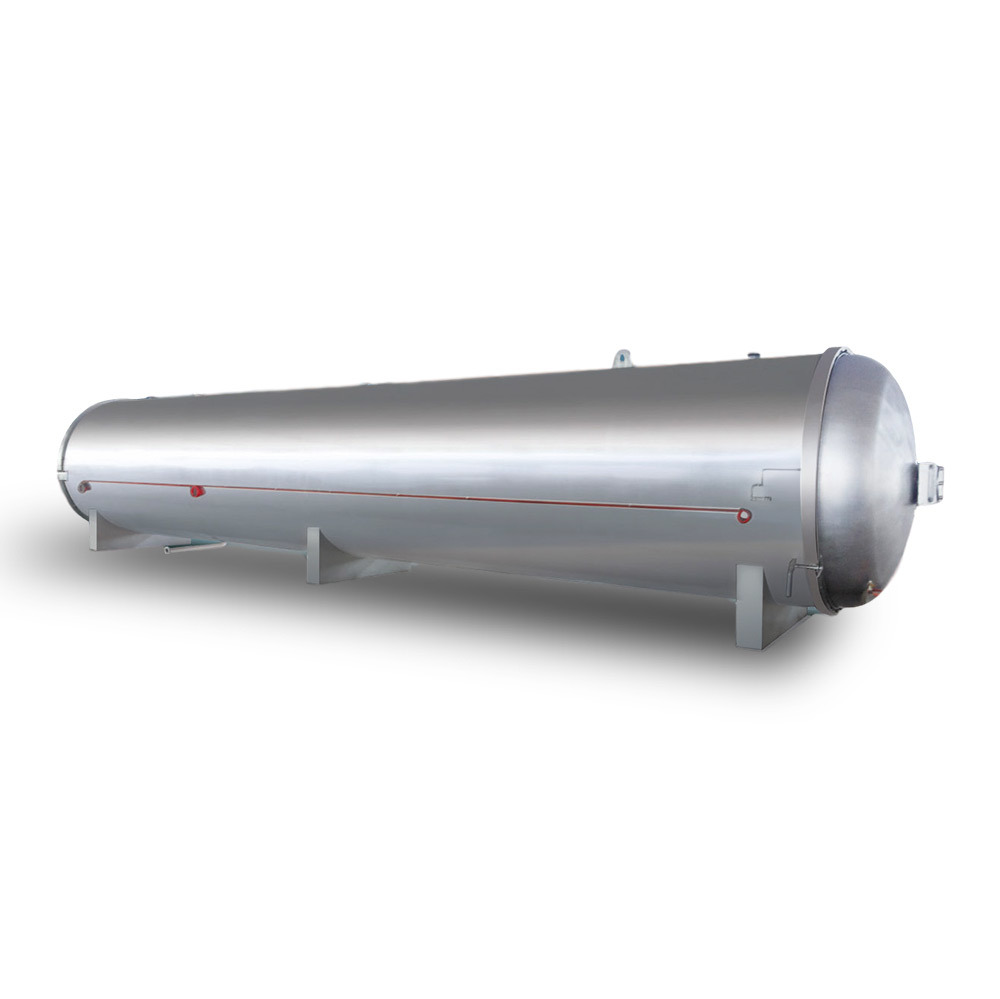
I. Operating Principle
Beverage sterilization equipment There are two primary methods: the heating method and the ultraviolet (UV) method. The heating method achieves sterilization by raising the beverage’s temperature to a level that renders microorganisms non‑viable, while the UV method uses ultraviolet irradiation to disrupt microbial DNA, preventing their reproduction. Each approach has its own advantages and disadvantages, and the choice should be based on the specific circumstances.
II. Classification
Beverage sterilization equipment Based on their operating principles, sterilization equipment can be classified into heat‑based and ultraviolet‑based systems. Heat‑based sterilizers are further divided into tubular and tank‑type units, with the primary distinction lying in their heating methods. Ultraviolet sterilizers, in turn, are categorized as open‑type and closed‑type; the latter is better suited to small‑batch, high‑specification production environments.
III. Model Selection
Choose the appropriate one Beverage sterilization equipment The following factors need to be considered:
Production requirements: Select appropriate equipment based on factors such as production volume, bottle type, and line speed.
Sterilization efficacy: Select equipment that meets national hygiene standards to ensure product safety.
Equipment Quality: Choose equipment that is reliable, durable, and easy to maintain.
Equipment pricing: Choose equipment that fits your budget.
IV. Maintenance and Upkeep
To ensure the proper operation of beverage sterilization equipment, routine maintenance is essential. Specifically, this includes:
Cleaning equipment: Regularly clean the equipment’s exterior, internal components, and associated piping to prevent contamination.
Equipment Inspection: Regularly inspect all components for wear and looseness, and replace or repair them as needed.
Light source maintenance: Regularly inspect the UV lamp’s operating condition, including its lifespan and brightness, and replace it promptly as needed.
Data Recording: Record the equipment’s operating status and maintenance history to facilitate problem analysis and process improvement.
V. Operating Precautions
Operation Beverage sterilization equipment At that time, the following matters should be noted:
Operate the equipment strictly in accordance with the operating instructions, and do not modify parameters arbitrarily.
Monitor the equipment’s operating parameters, such as temperature, pressure, and UV intensity, to ensure proper operation.
During equipment operation, closely monitor all operating parameters and promptly identify and address any abnormalities.
Perform regular equipment maintenance and promptly replace wear parts to ensure the equipment operates normally.
In summary, beverage sterilization equipment plays a crucial role in the beverage production process. Selecting the appropriate equipment, operating it correctly, and performing regular maintenance are essential for ensuring its reliable operation. At the same time, these practices constitute important measures to safeguard consumer health and food safety.
Related News
Mobile QR code
Zhucheng Jintai Food Machinery Co., Ltd.
Address: Haojia Industrial Park, Zhucheng City, Shandong Province
Customer Service Hotline:0536-6176789
Mobile phone:13780817266/18866755858
Fax: 0536-6083126
Email:jtspjx@163.com
Copyright © 2022 Zhucheng Jintai Food Machinery Co., Ltd.